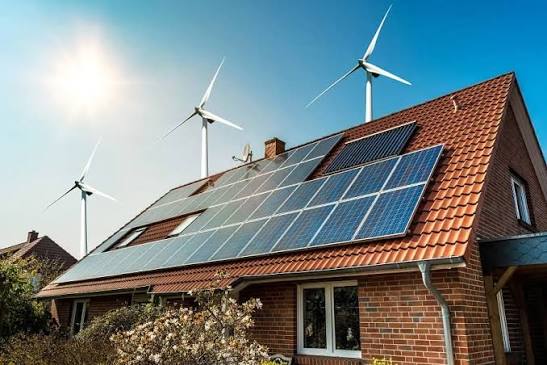
How to Build a Sustainable Smart Home to Save Energy
Creating a home that balances convenience with environmental responsibility is a rewarding project. When you build a smart ecosystem, you are not just adding gadgets; you are creating an intelligent network that actively manages your resources. By focusing on automation and data, you can significantly lower your carbon footprint while enjoying a more comfortable living space.
Smart climate control and heating
The largest energy drain in most households is heating and cooling. A smart thermostat is the most effective tool to manage this consumption. These devices learn your daily schedule and adjust temperatures automatically when you leave the house or go to sleep.
By preventing the system from running in empty rooms, you save a substantial amount of electricity or gas. Some advanced models even factor in local weather patterns to optimize your indoor climate before outside temperatures shift.
Lighting systems that respect your schedule
Upgrading to smart LED bulbs is a simple step, but the real savings come from automation. You can set schedules or use motion sensors to ensure lights are never left on in unoccupied areas.
When you build your lighting network, consider grouping bulbs into zones. This allows you to dim or turn off entire sections of your home with a single voice command or a mobile app, eliminating the waste caused by forgotten switches.
Monitoring power usage in real time
To truly reduce consumption, you must understand where your energy goes. Smart plugs and energy monitors provide granular data on which appliances are drawing the most power.
You can use these tools to identify “vampire” loads-devices that consume electricity even when turned off. Once you identify these culprits, you can set them to cut power completely during late-night hours.
The path to a more efficient future
As you build your connected home, remember that the goal is efficiency rather than excess. Start with the devices that impact your biggest utility bills, such as your thermostat and lighting.
When you build these habits alongside your new technology, you create a sustainable foundation that saves money and protects the planet. Small, intentional changes in how you manage your home’s energy lead to significant long-term results.